
0
Reported Claims
From guest reports, investigator notes, and historical records.





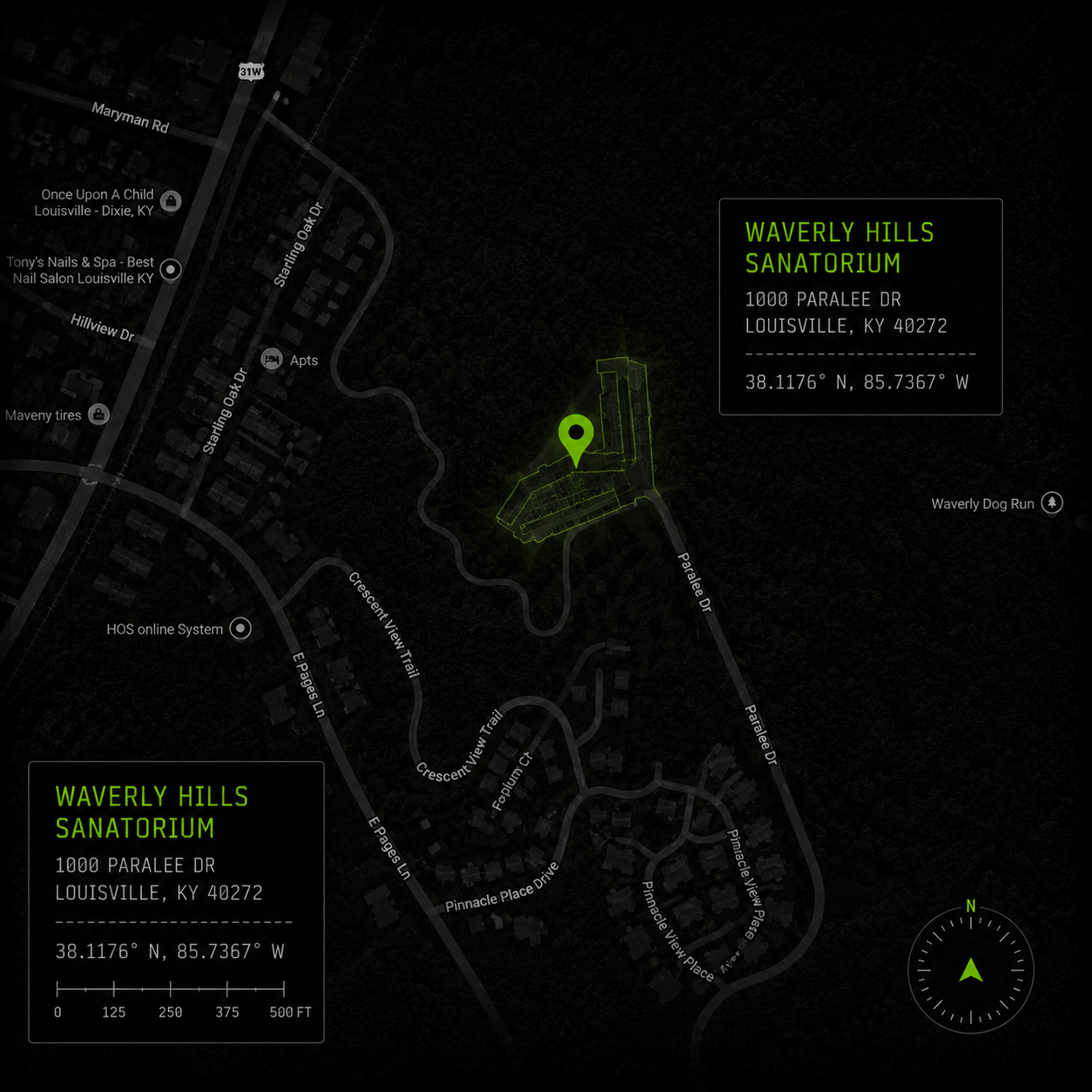
Waverly Hills Sanatorium
Louisville, Kentucky
Established 1910
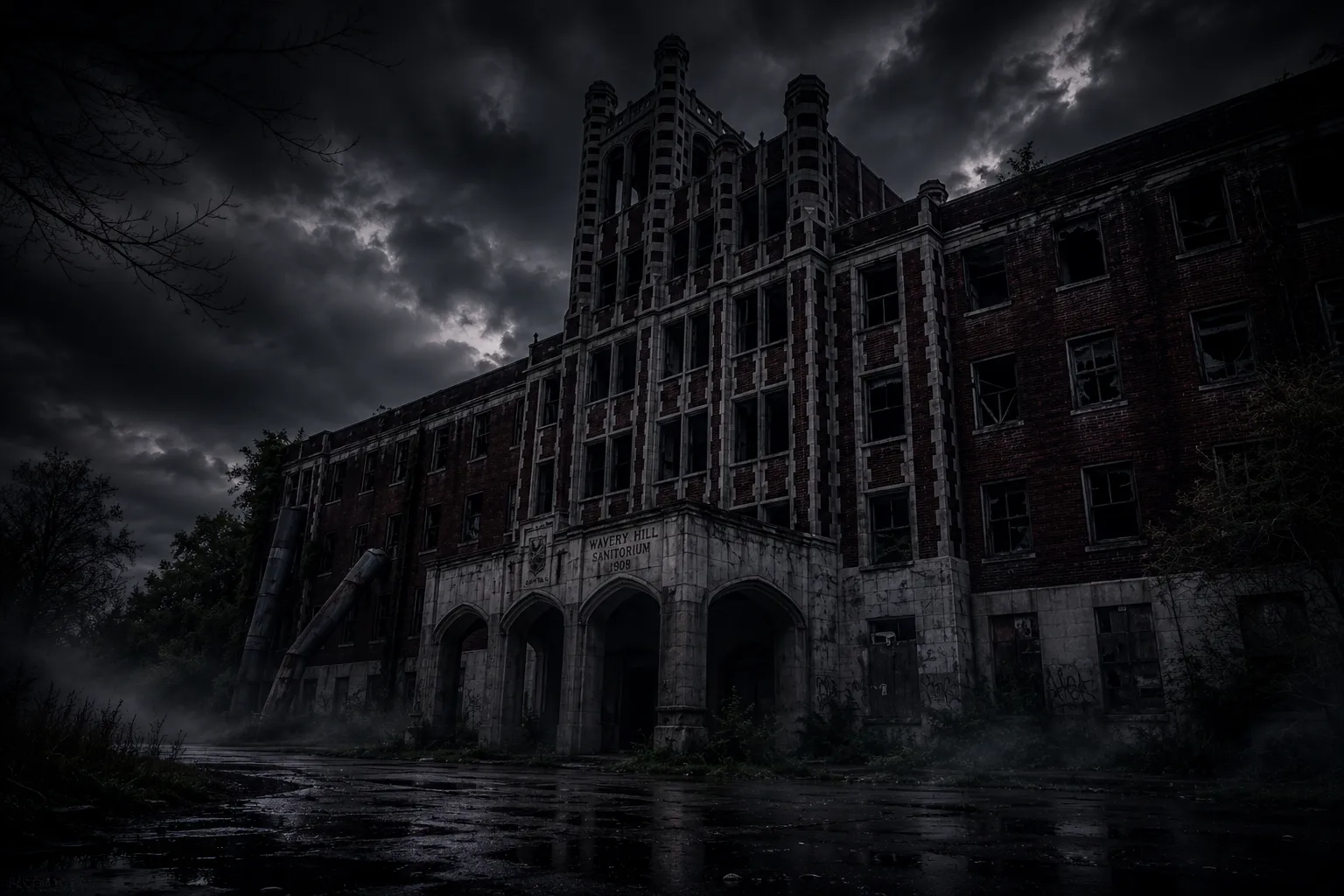
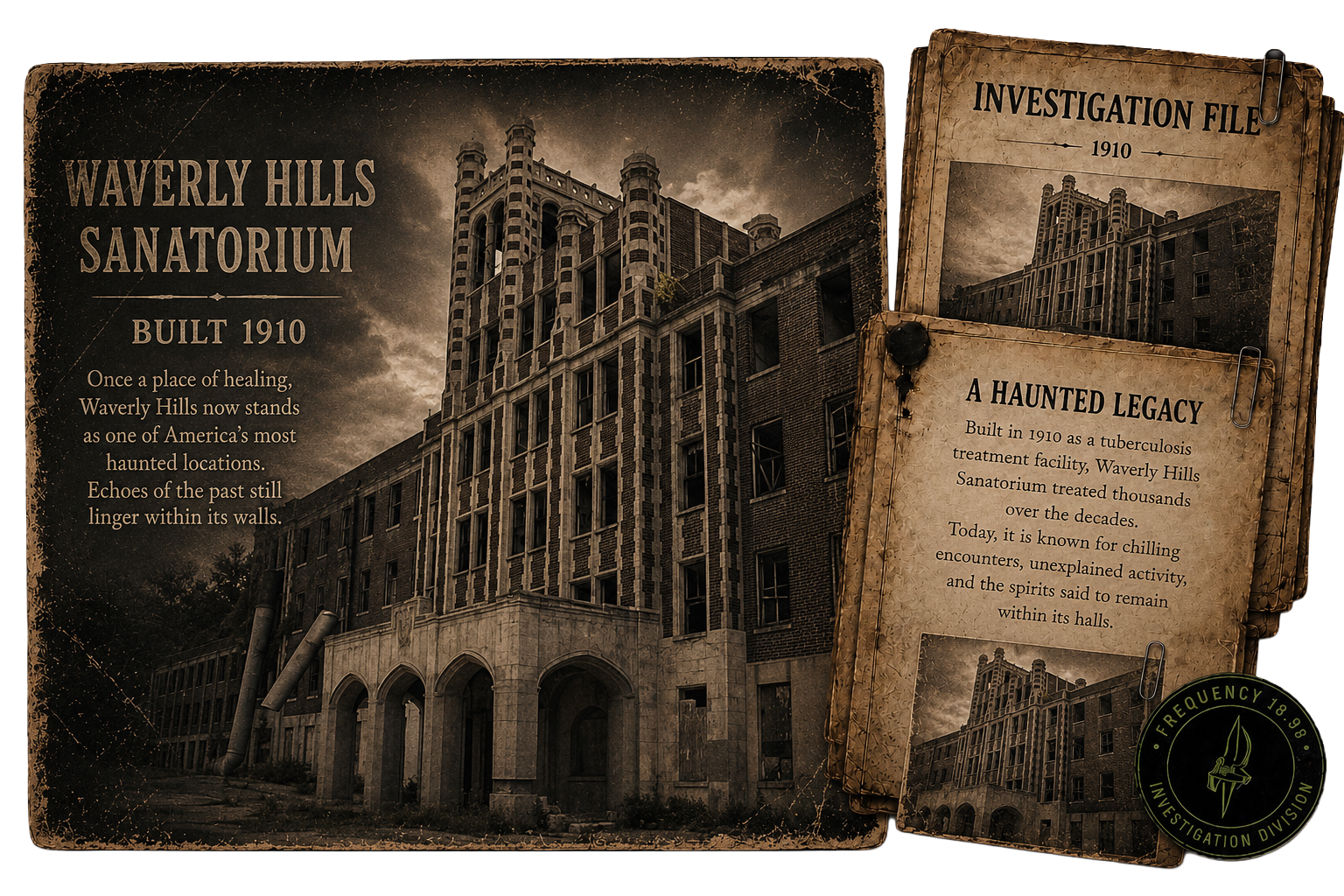
Few locations in America have become as synonymous with paranormal folklore as Waverly Hills Sanatorium. Perched atop a hill overlooking Louisville, Kentucky, the massive hospital was originally built to combat one of the deadliest diseases of the early twentieth century: tuberculosis, often called the “White Plague.”
The story begins in 1908 when Jefferson County officials selected the Waverly Hills property as the site for a new tuberculosis hospital. The elevated location was chosen for its fresh air, isolation, and rural surroundings—qualities believed at the time to aid in recovery from the disease. After two years of construction, the original two-story wooden sanatorium officially opened on July 26, 1910, housing approximately 40 to 50 patients.
As tuberculosis cases continued to rise throughout Kentucky, the facility quickly became overcrowded. Additional pavilions and treatment wards were added, but demand continued to exceed capacity. In response, construction began in 1924 on a much larger five-story brick and concrete hospital designed by renowned Louisville architect D. X. Murphy. The new building opened in 1926 and could accommodate more than 400 patients, making it one of the largest tuberculosis treatment facilities in the United States.
Life inside Waverly Hills was difficult. Before modern antibiotics existed, treatment options were limited to fresh air therapy, rest, sunlight exposure, and surgical procedures that were often painful and experimental. Thousands of patients passed through the hospital’s doors during its decades of operation, many spending months or years isolated from their families while battling the disease.
One of the most famous features of the property is the underground service tunnel stretching from the base of the hill to the main hospital building. Originally constructed to transport supplies, steam, and equipment, local legends later claimed the tunnel was used to discreetly remove deceased patients from the facility to prevent others from witnessing the constant toll of the epidemic. While the tunnel’s practical purpose is well documented, stories surrounding its darker use have become a lasting part of Waverly Hills lore.
The introduction of the antibiotic streptomycin in the 1940s dramatically reduced tuberculosis deaths and changed the course of treatment worldwide. As patient numbers declined, Waverly Hills eventually closed as a tuberculosis hospital in 1961. The following year, the building reopened as Woodhaven Geriatric Center, a nursing home that operated until 1980 before being shut down amid allegations of neglect and overcrowding.
Over the following decades, numerous redevelopment plans were proposed, including apartments, a prison, and even a massive religious monument. None came to fruition. Eventually the property was acquired by preservation-minded owners who began restoration efforts and opened the historic building for tours and special events. Today, Waverly Hills remains both an important piece of medical history and one of the most famous paranormal destinations in the world.
Whether viewed as a historic landmark, a monument to the victims of tuberculosis, or a site of unexplained phenomena, Waverly Hills Sanatorium stands as a powerful reminder of one of America’s deadliest public health crises and the lives forever connected to its halls.
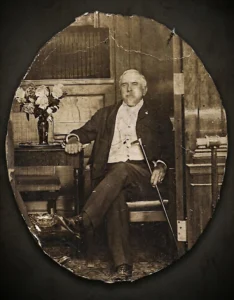
Purchased the Land in 1883 to serve as his family's homestead.
From guest reports, investigator notes, and historical records.

Claims reported by one or more witnesses.

Consistent paranormal activity reported throughout the site.

Frequent activity with a strong witness-report history.
Summary of paranormal phenomena reported at this location.
Paranormal activity by area.
No activity hotspots have been reported yet.
Activity levels are based on witness reports and reported experiences.
Note:Activity levels may fluctuate. Data is updated after each investigation.
All evidence collected during investigations at Waverly Hills Sanatorium.
No evidence has been linked to this investigation yet.
—
—
—